Inside Chernobyl: How a Doomed Experiment Caused the 1986 Explosion
The name Chernobyl evokes a chilling image: a silent, radioactive exclusion zone, a testament to humanity's most severe nuclear accident. For many, the disaster of 1986 remains a stark warning about the immense power, and potential for devastation, inherent in nuclear energy. But beneath the layers of widespread contamination and global panic lies a critical story of human error, systemic flaws, and a single, ill-fated experiment that plunged a nation, and indeed, a continent, into an unprecedented crisis. This wasn't merely an unfortunate accident; it was a catastrophic cascade of decisions that culminated in the largest uncontrolled release of radioactive material in history.
The Fateful Experiment Begins: A Test Gone Awry
The stage for disaster was set on the evening of April 25, 1986, at Reactor Unit 4 of the Chernobyl Nuclear Power Plant, located near Pripyat in the Soviet Ukraine. The operational team initiated a planned "coast-down" test, an experiment designed to assess the plant's safety under specific emergency conditions. The goal was to determine if the residual rotational energy of a steam turbine, after being disconnected from the main reactor, could generate enough electricity to power the reactor's vital cooling pumps until backup diesel generators could kick in. This seemingly routine safety test, ironically, demanded the deliberate disabling of several critical safety systems.
For the experiment to proceed, the reactor's emergency core cooling system (ECCS) was deactivated. Other safety protocols, designed to automatically shut down the reactor if it operated outside safe parameters, were also overridden. The plan called for reducing the reactor's power output significantly, preparing it for the test sequence. However, events quickly began to deviate from the intended script.
Escalating Risks: A Descent into Instability
Initial attempts to reduce the reactor's power ran into complications. An unexpected demand for electricity from the regional grid forced a temporary halt to the test preparations. Crucially, during this interruption, the emergency core cooling system remained switched off, a blatant disregard for safety regulations. When permission was granted to resume the test later that night, the reactor’s power output plummeted far below the planned 25 percent, diving to less than one percent of its nominal capacity. This was a critical juncture. At such extremely low power levels, the RBMK-1000 reactor – a graphite-moderated, water-cooled design – becomes inherently unstable and notoriously difficult to control.
Instead of shutting down the reactor as protocols dictated for operation in such an unstable state, the technicians made a fateful decision: they attempted to restore power. To achieve this, they withdrew almost all the reactor's control rods – neutron-absorbing devices used to regulate the nuclear chain reaction. This aggressive action, contrary to safety guidelines, temporarily stabilized the power at around seven percent. While an improvement, it was still dangerously low for stable operation and maintaining control over the volatile RBMK design. The team pressed on, seemingly determined to complete the experiment despite the perilous conditions and the glaring instability.
The Perilous Reactor Design: A Critical Flaw
To truly understand the catastrophe, it's essential to acknowledge a fundamental flaw in the RBMK reactor design. Unlike most Western reactors, the RBMK possessed a "positive void coefficient." This meant that if the cooling water turned into steam (creating "voids"), the reactor's power output would *increase* rather than decrease. In a runaway scenario, more steam meant more power, which meant more steam – a terrifying feedback loop that made the reactor incredibly difficult to control once stability was lost. This design flaw, combined with the intentional disabling of safety systems and the operator’s procedural violations, created a perfect storm for disaster.
The Moment of Catastrophe: A Point of No Return
At approximately 1:23 AM on April 26, 1986, the experiment officially began. The technicians closed the steam supply valves to the turbine, which led to a reduction in water flow to the reactor core. This action, coupled with the reactor's unstable state and positive void coefficient, immediately triggered a rapid and uncontrolled power surge. Within seconds, the reactor's power output skyrocketed. The shift supervisor, sensing impending doom, initiated a full emergency shutdown, known as SCRAM. This command should have rapidly inserted all control rods back into the core, halting the chain reaction.
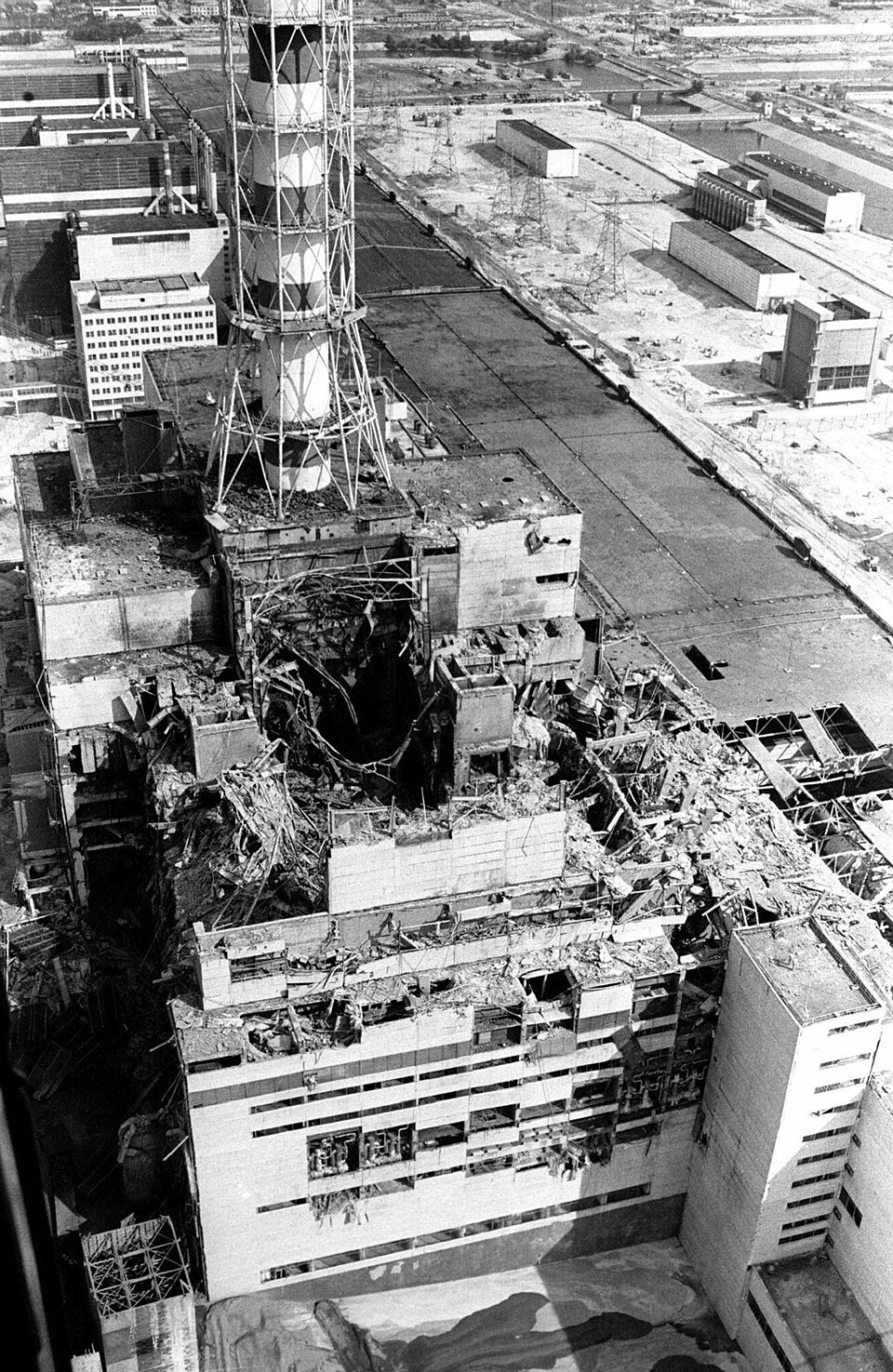
However, it was too late. The sheer heat and pressure generated by the runaway reaction had already deformed the fuel channels and control rods, preventing them from fully inserting. Furthermore, the design of the control rods themselves included graphite tips, which initially displaced water as they entered the core, causing a *temporary* increase in reactivity before the neutron-absorbing boron sections followed. This momentary surge provided the final, fatal push. The power soared to an estimated 100 times its nominal output. The immense pressure from superheated steam, unable to escape, caused the first massive explosion, rupturing the reactor vessel. Seconds later, a second, more powerful explosion, likely caused by hydrogen igniting with air, obliterated the 1,000-ton reactor lid and much of the building, catapulting vast quantities of radioactive material high into the atmosphere. The world watched in horror as the event defining
Chernobyl Disaster 1986: What Happened on April 26th? unfolded.
The Immediate Aftermath and Global Impact
The fateful explosion occurred in the early hours of **April 26, 1986**, marking the time **wann war das Unglück in Tschernobyl** – when the Chernobyl disaster struck. The blast and subsequent fires unleashed a deadly radioactive plume that soared 1,200 meters into the sky. This was the "Super-GAU" (Größter Anzunehmender Unfall), the maximum credible accident, a scenario once thought impossible. Despite the catastrophic scale of the event, Soviet authorities initially remained silent. It wasn't until April 28, when elevated radiation levels were detected in Sweden and Finland, that the true extent of the disaster began to emerge globally.
The lack of transparency from the Soviet Union fueled international alarm. Even as radioactive clouds drifted across Europe, impacting countries like Germany, initial official responses were often downplayed. For example, German Interior Minister Friedrich Zimmermann initially claimed that any danger to the German population was "absolutely to be ruled out." However, the reality was starkly different. Radioactive isotopes, including Iodine-131 and Cesium-137, were deposited across vast swathes of Europe, leading to contaminated agricultural land, restrictions on food consumption, and long-term health concerns. The immediate vicinity of Chernobyl, a 30-kilometer radius, was declared an exclusion zone, leading to the permanent evacuation of hundreds of thousands of people. For more details on the widespread impact, consult
Chernobyl Super-GAU: Europe's 1986 Nuclear Cloud and Its Impact.
Lessons from the Ashes: Preventing Future Disasters
The Chernobyl disaster stands as a profound, albeit tragic, lesson in the criticality of nuclear safety. It underscored the devastating consequences that can arise from a combination of flawed reactor design, inadequate safety culture, and human error compounded by secrecy and a disregard for established protocols.
Key takeaways from Chernobyl include:
- Reactor Design and Safety: The inherent flaws in the RBMK reactor design, particularly its positive void coefficient, were thoroughly exposed. This led to significant modifications of other RBMK reactors or their eventual decommissioning, and a global re-evaluation of reactor safety standards.
- Human Factor and Training: The disaster highlighted the critical role of well-trained personnel who not only understand operational procedures but also the underlying physics and potential risks. The operators' actions demonstrated a profound lack of awareness regarding the reactor's characteristics at low power.
- Safety Culture and Oversight: The deliberate disabling of safety systems and the continuation of the experiment despite numerous warning signs pointed to a severe deficiency in the plant's safety culture and regulatory oversight. Independent, robust safety authorities are paramount.
- Transparency and Information Sharing: The delayed and insufficient communication from Soviet authorities exacerbated the crisis, hindering effective international response and trust. Openness and immediate information sharing are crucial in managing such emergencies.
The legacy of Chernobyl continues to influence nuclear safety discussions worldwide. It led to stricter regulations, enhanced training, and an emphasis on passive safety features in new reactor designs. The construction of the New Safe Confinement arch over the original sarcophagus is a monumental effort to contain the remaining radioactive materials for the next century, reminding us of the immense long-term challenges posed by such a catastrophe.
The Chernobyl disaster remains a powerful and enduring symbol of the potential dangers of nuclear power when safety is compromised. It serves as a constant reminder that while nuclear energy offers significant benefits, its harnessing demands the highest levels of vigilance, transparency, and a steadfast commitment to safety from every individual involved, from designers to operators. The scars of April 26, 1986, continue to inform and caution us, ensuring that the lessons learned from this doomed experiment are never forgotten.