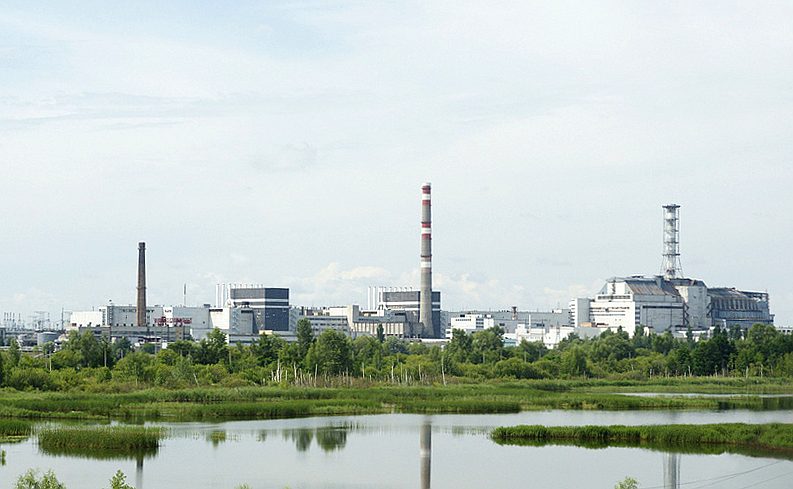
The Cataclysmic Dawn of April 26th, 1986: Unraveling the Chernobyl Disaster
The name Chernobyl evokes a chilling mix of awe and dread, representing one of humanity's most severe technological failures. On April 26th, 1986, at 1:23 AM local time, an event unfolded at the Chernobyl Nuclear Power Plant in Soviet Ukraine (now Ukraine) that would forever alter perceptions of nuclear energy and leave a lasting scar on the European continent. This wasn't merely an accident; it was a cascade of human error, design flaws, and blatant disregard for safety protocols that culminated in a catastrophic reactor explosion and the release of an unprecedented amount of radioactive material. The core question for many, especially those interested in the timeline, remains:
Wann War Das Unglück In Tschernobyl, and what exactly transpired during those fateful hours?
The Fateful Experiment Begins: A Day of Recklessness
The roots of the Chernobyl disaster stretch back to the previous day, April 25th, 1986. The crew of Reactor Unit 4 embarked on a scheduled test—a seemingly innocuous safety experiment designed to determine if, in the event of a power outage, the residual rotational energy of a turbine could generate enough electricity to power the reactor's crucial cooling pumps until emergency diesel generators could kick in. While such tests are routine in controlled environments, the team at Chernobyl proceeded under deeply misguided and ultimately fatal conditions.
Crucially, as preparations for the test got underway, several layers of critical safety systems were deliberately disabled. The Emergency Core Cooling System (ECCS), designed to prevent reactor overheating, was switched off, along with other essential safety mechanisms. The reactor's power output was gradually reduced, an initial step in the test protocol. However, an unexpected power demand from the regional grid forced a temporary halt to the experiment, delaying its resumption until the late hours of the night. During this interlude, contrary to all safety regulations, the ECCS remained deactivated. This critical oversight left the reactor exceptionally vulnerable, setting the stage for the unimaginable. For a detailed look at the decisions that led to this catastrophe, consider reading
Inside Chernobyl: How a Doomed Experiment Caused the 1986 Explosion.
The Critical Moments: April 26th and the Uncontrolled Surge
Just after 11 PM on April 25th, the preparations for the experiment resumed. The procedure called for the reactor's power to be stabilized at approximately 25% of its nominal capacity. However, due to operator inexperience and the reactor's inherent design flaws (specifically, its positive void coefficient at low power levels), the power quickly plummeted to less than 1% of its rated output. Operating an RBMK reactor at such extremely low power levels made it highly unstable and notoriously difficult to control.
Instead of shutting down the reactor as protocol demanded, the technicians made a fateful decision: they attempted to increase power. To achieve this, they withdrew almost all the control rods—the neutron-absorbing elements used to regulate the nuclear chain reaction—from the reactor core. This dangerous maneuver brought the power level back up, stabilizing it around 7% – still far below the safe operating threshold. Despite the instability, the crew, driven by a desire to complete the experiment and possibly fear of reprisal for failure, pressed ahead.
The experiment was initiated. Technicians closed the turbine's steam supply valves, which reduced the flow of cooling water into the reactor core. This seemingly minor step had catastrophic consequences. Within seconds, the reactor's power began to surge uncontrollably. The shift supervisor initiated an emergency shutdown (known as "SCRAM" or "AZ-5"), which would reinsert all control rods into the core. However, this process took 18 to 20 seconds in the RBMK design, a critical delay that Chernobyl did not have. Furthermore, the design of the control rods themselves included graphite tips, which initially *increased* reactivity as they entered the core, acting as a final, deadly push to the exponential power rise.
The power output skyrocketed, estimated to have reached 100 times the reactor's nominal capacity. The immense heat generated caused the cooling water to flash into steam, creating an uncontrollable pressure build-up. The sheer force of the expanding steam was so immense that it bent the fuel channels and control rods, preventing their full reinsertion. The reactor was now a ticking time bomb, out of control and rapidly exceeding its design limits.
The Explosions and the Super-GAU: The World Changes Forever
At approximately 1:23:40 AM on April 26th, the immense pressure within Reactor Unit 4 became too great. A series of two powerful explosions ripped through the facility. The first, a steam explosion, blew off the 2,000-ton concrete lid of the reactor, severing coolant channels and exposing the intensely hot core. Moments later, a second, more powerful explosion – likely a hydrogen explosion caused by the superheated zirconium cladding reacting with steam – completely destroyed the reactor building. Flames engulfed the facility, and the core was exposed to the atmosphere.
This event marked the dreaded "Super-GAU"—the "Größter Anzunehmender Unfall" or "Maximum Credible Accident" – a term used in German nuclear safety to describe an accident so severe that its consequences are no longer containable. Highly radioactive materials, including deadly isotopes like iodine-131, cesium-137, and strontium-90, were ejected up to 1,200 meters into the atmosphere. The graphite moderator caught fire, burning for days and spewing a continuous plume of radioactive contaminants into the sky.
Immediately following the explosions, a 30-kilometer exclusion zone was established around the plant, and emergency responders, later dubbed "liquidators," began the perilous task of extinguishing fires and containing the spread of radiation, often with inadequate protection and little understanding of the dangers they faced. Their heroic, albeit often uninformed, efforts prevented an even larger catastrophe.
Immediate Aftermath and Delayed Disclosure
In the hours and days following the disaster, the Soviet authorities attempted to suppress information. Initial reports were sparse, and the full extent of the calamity was deliberately downplayed. It wasn't until April 28th, when Swedish and Finnish monitoring stations detected inexplicably high levels of radiation drifting over their territories, that the world truly began to grasp the scale of the unfolding tragedy. These elevated readings could not be attributed to local sources and clearly pointed eastward, towards the Soviet Union.
Faced with undeniable evidence, Soviet state television finally issued a terse, 20-second announcement acknowledging an accident at Chernobyl. This delay in transparency had profound consequences, preventing timely evacuations and protective measures for millions living in the path of the invisible killer.
International reactions varied. While some nations immediately recognized the severity of the threat, others, like the then-West German government, initially exhibited a degree of complacency. Bundesinnenminister Friedrich Zimmermann (CSU) famously declared in a television interview that a risk to the German population was "absolutely to be excluded." However, as radioactive clouds spread across Europe, depositing fallout over agricultural land, forests, and urban areas, this initial calm gave way to widespread public concern, fear, and a reevaluation of nuclear safety worldwide. The long-term effects of this widespread contamination are still studied today, demonstrating the lasting impact of
Chernobyl Super-GAU: Europe's 1986 Nuclear Cloud and Its Impact.
Lessons Learned and Enduring Legacy
The Chernobyl disaster serves as a stark reminder of the profound responsibility that comes with harnessing powerful technologies like nuclear energy. The event highlighted critical flaws not only in the RBMK reactor design but also in Soviet safety culture, transparency, and emergency response planning. In the aftermath, significant changes were implemented across the global nuclear industry, leading to enhanced safety protocols, improved training, and greater international cooperation in nuclear regulation.
While the immediate death toll from the explosion and acute radiation sickness was relatively low, the long-term health consequences for cleanup workers and residents of contaminated areas, including increased rates of thyroid cancer, are still being assessed. The 30-kilometer exclusion zone around the Chernobyl plant remains largely uninhabited, a haunting testament to the power of radioactive contamination, a landscape slowly being reclaimed by nature.
Today, visitors can venture into parts of the exclusion zone under strict supervision, offering a unique glimpse into a frozen moment in time. The New Safe Confinement, a colossal arch-shaped structure, now encases the destroyed Reactor Unit 4, a modern marvel designed to contain the remaining radioactive materials for at least another 100 years.
The question "
Wann War Das Unglück In Tschernobyl?" will forever be answered with the chilling precision of "April 26th, 1986," but the lessons and the legacy of that day continue to resonate, urging us to prioritize safety, transparency, and ethical oversight in all endeavors that hold the potential for such immense power and peril.